The Sprinter-Style Minibus: Extra Comfort for a Small Party
When a small group wants a little more comfort, perhaps a family flying in for a wedding or a few clients on a day out, the executive Sprinter-style minibus is the usual choice. It seats 17 to 19 passengers, with luggage stowed behind the last row.
A bus in the eyes of the law
Italian law draws the line by seat count, and with 17 to 19 passengers this vehicle is well past it: legally it is a bus. That means a full category D licence for the driver, since D1 stops at sixteen passengers, a tachograph logging the driving, and the EU limits on hours at the wheel.
For you this mostly shows in the paperwork and in which city rules apply. The operator picks the right version for the size of your group.
Typical models
The photos show typical models in this size. Which vehicle runs depends on the partner operator that takes the booking.
Executive minibus (17 to 19 seats)
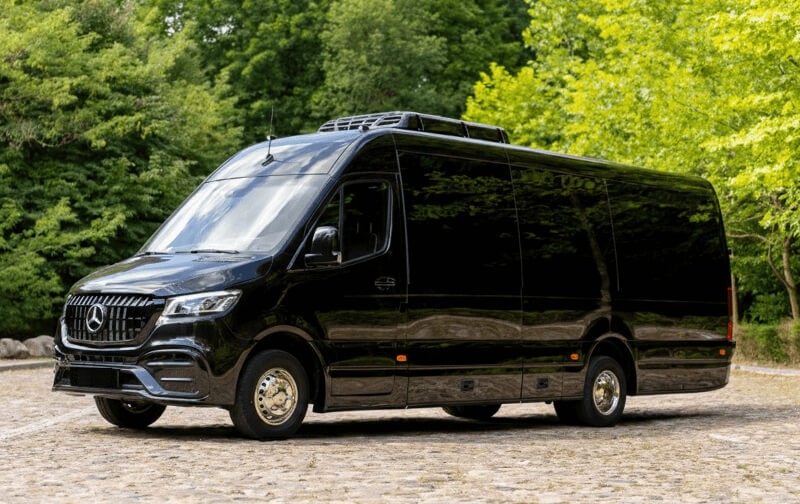
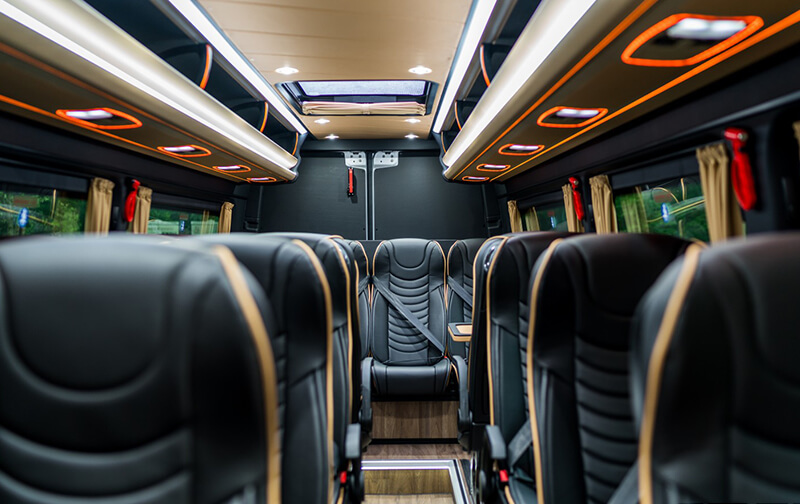
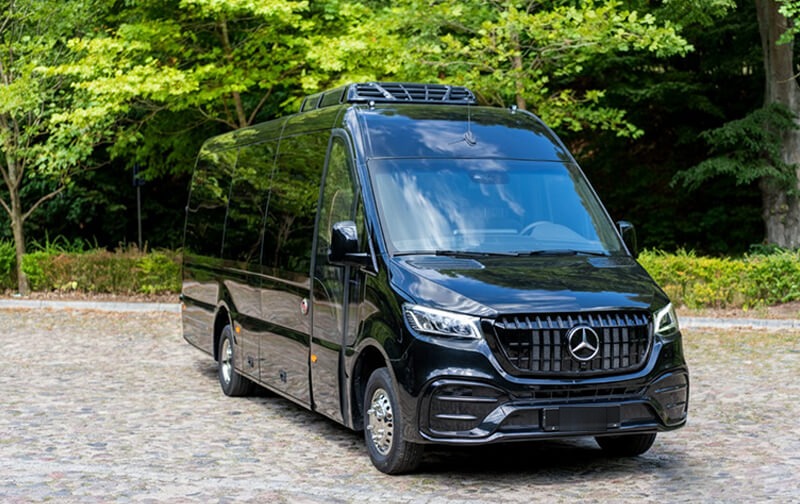
Business Sprinter
17 passengers · 14 bags
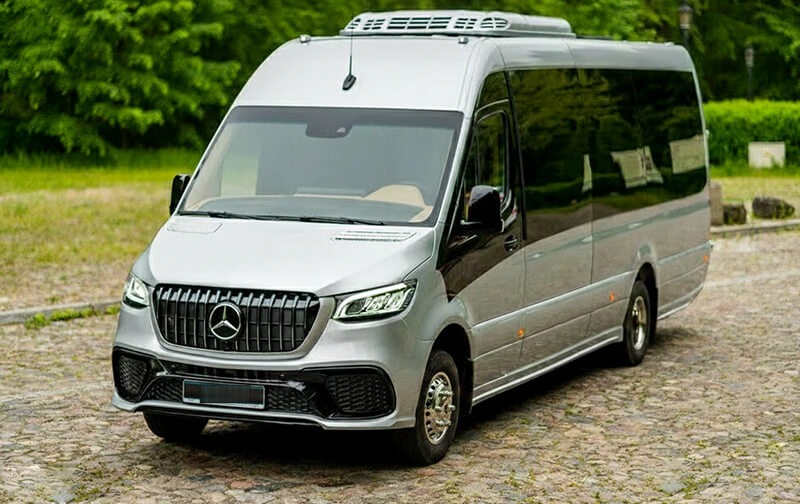
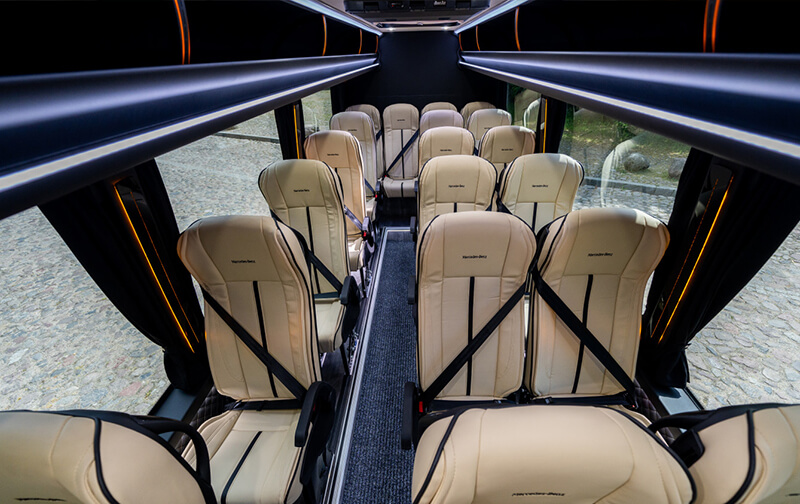
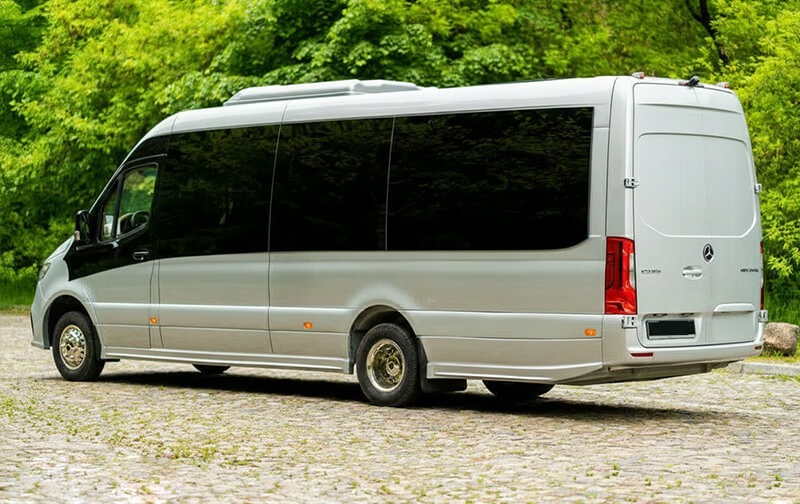
Business Sprinter
19 passengers · 15 bags
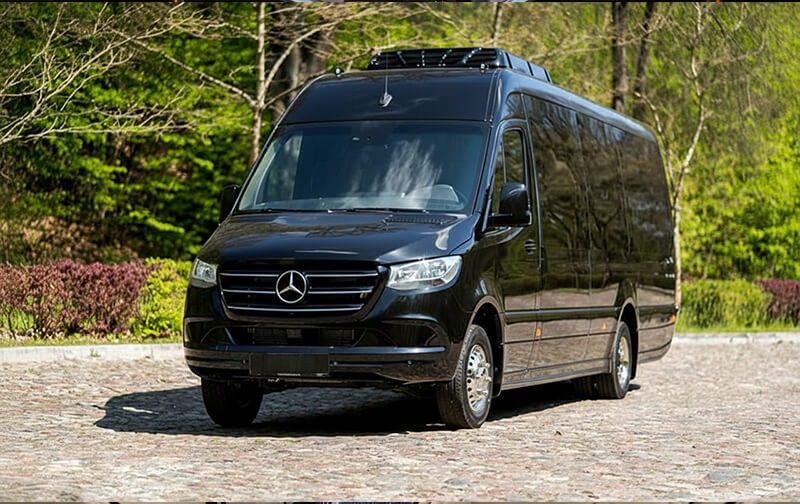
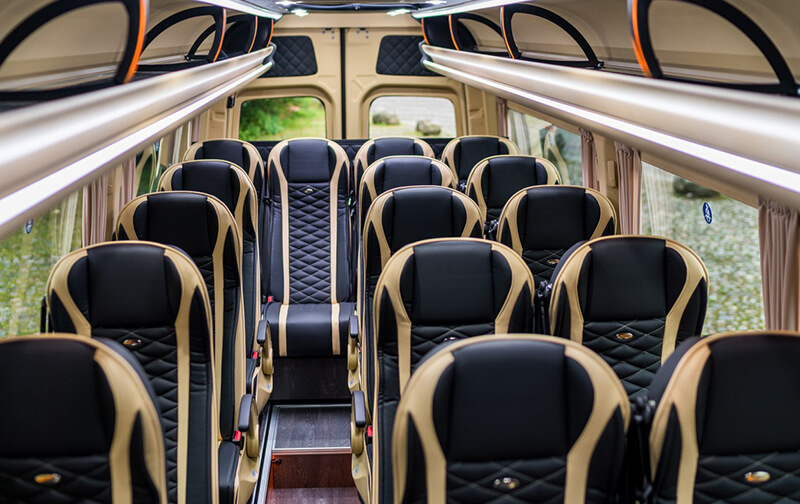
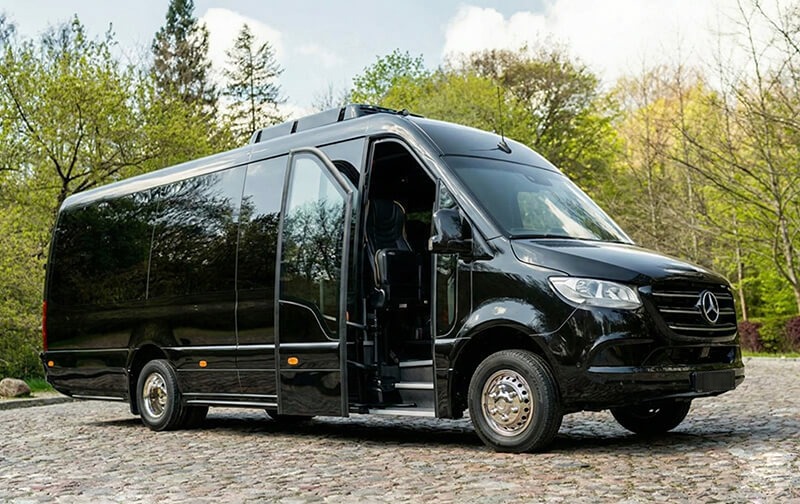
Business Sprinter
18 passengers · 14 bags
What it is like on board
- Road owners can require winter tyres or snow chains on board on given roads and dates by ordinance, shown by road signs (art. 6 c. 4 e)
- Italian cities restrict traffic in their historic centres through limited-traffic zones (zone a traffico limitato, ZTL) set by each city council, which may also charge for entry (art. 7 c. 9, Codice della Strada); many cities run separate permit systems for tourist coaches
- With more than nine seats including the driver it needs a tachograph and follows the EU drivers' hours rules
- With 17 to 19 passengers it is a bus (autobus), not a car, and the driver needs category D, since D1 covers at most 16 passengers (art. 54 c. 1 b; art. 116 c. 3 n and p, Codice della Strada)
Into the historic centres
Italian cities limit traffic in their old centres with ZTL zones set by each council, which can make entry payable, and many keep a separate permit scheme for tourist coaches, Rome's bus plan among them. The operator checks which rules apply to the vehicle at each stop and arranges any permits ahead.
Mountain roads in winter
If the trip heads for the Dolomites or the Alps in the colder months, the authority responsible for a road may make winter tyres or snow chains compulsory on given dates, shown by road signs. The operator equips the vehicle for the route, and the driver allows for slower going.
Comfort is the point of this vehicle, so it suits longer transfers well: Venice to Cortina d'Ampezzo is about 2 h 30 min, Milan to Lake Maggiore at Stresa about 1 h 30 min.
What travellers ask us
Who is it best for?
Executive airport transfers, families, small company groups and day tours where comfort matters as much as space.
How much luggage fits?
Less than the seat count suggests when every place is taken. Tell us the number and size of the suitcases and the operator advises.
Can it meet us at the airport?
Yes. Send the flight number and arrival time; at each airport the operator arranges access under the current rules, checked before travel.
More trips we arrange
- Team Outings in Italy, in One Minibus or Several
- School Trips in Italy, Planned Around the Class
- Away Days for Teams, from Five-a-Side to a Full Squad
- Getting Your Wedding Guests There and Home Again
- Italy's Wine Country, with Someone Else at the Wheel
- Day Trips at Your Own Pace, in a Minibus with a Driver
- From the Ship to Rome, Naples, Genoa or Venice
- Accessible Days Out for the Whole Group